June 18, 2026
New York has one of the highest mesothelioma rates in the United States because of its extensive industrial history, dense urban development, and widespread historical use of asbestos-containing materials. For decades, asbestos was incorporated into countless products because of its durability, heat resistance, and insulating properties. As a result, many workers, residents, and building occupants were exposed to asbestos fibers without fully understanding the long-term health risks associated with the material.
Mesothelioma is a rare but serious cancer that is strongly linked to asbestos exposure. Because symptoms often take decades to appear, many current diagnoses are connected to exposures that occurred years ago. Understanding why New York continues to experience elevated mesothelioma rates can help property owners, contractors, and residents recognize the importance of identifying potential asbestos hazards. Today, professional asbestos testing plays a critical role in helping reduce exposure risks during renovation, demolition, and maintenance projects.
Examining New York's Industrial History
New York's economic growth was built on industries such as manufacturing, construction, shipping, transportation, and power generation. Throughout much of the twentieth century, asbestos-containing materials were widely used in these industries because they could withstand heat, fire, and heavy wear. Workers often encountered asbestos in insulation, boilers, pipes, machinery, roofing materials, and other industrial products. Many job sites relied heavily on these materials for safety and performance, resulting in widespread exposure among workers across numerous sectors throughout the state.
According to Mesothelioma Hope, asbestos-containing materials remained common at construction, manufacturing, and mining sites throughout New York until the 1980s. This extensive use created numerous opportunities for occupational exposure across multiple industries. Even though regulations have reduced asbestos use significantly, many of these older materials remain in buildings and facilities today, making asbestos testing an important step when evaluating aging properties. Identifying these materials before renovation or demolition can help reduce exposure risks and support safer project planning and execution.
Exploring New York's Older Buildings
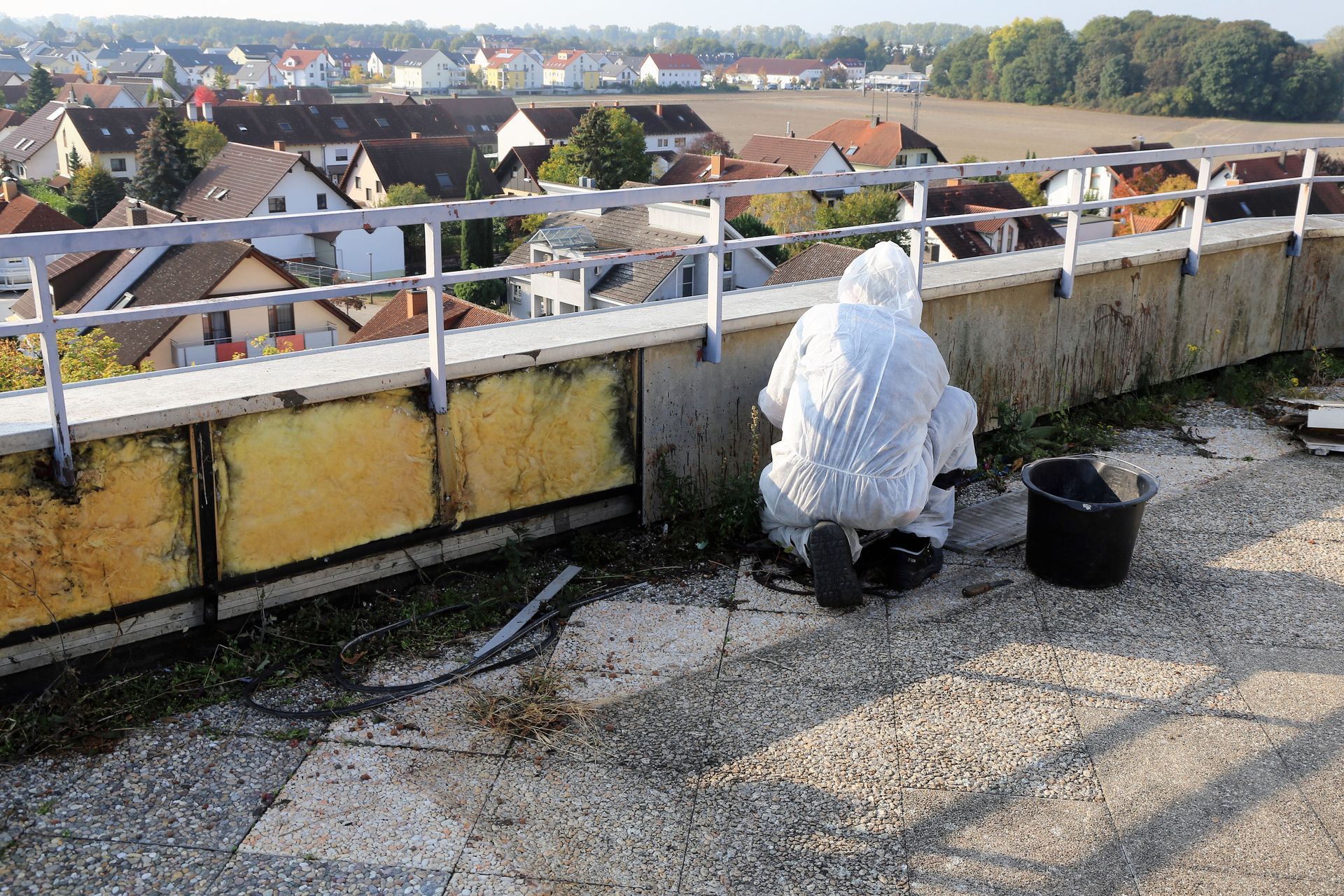
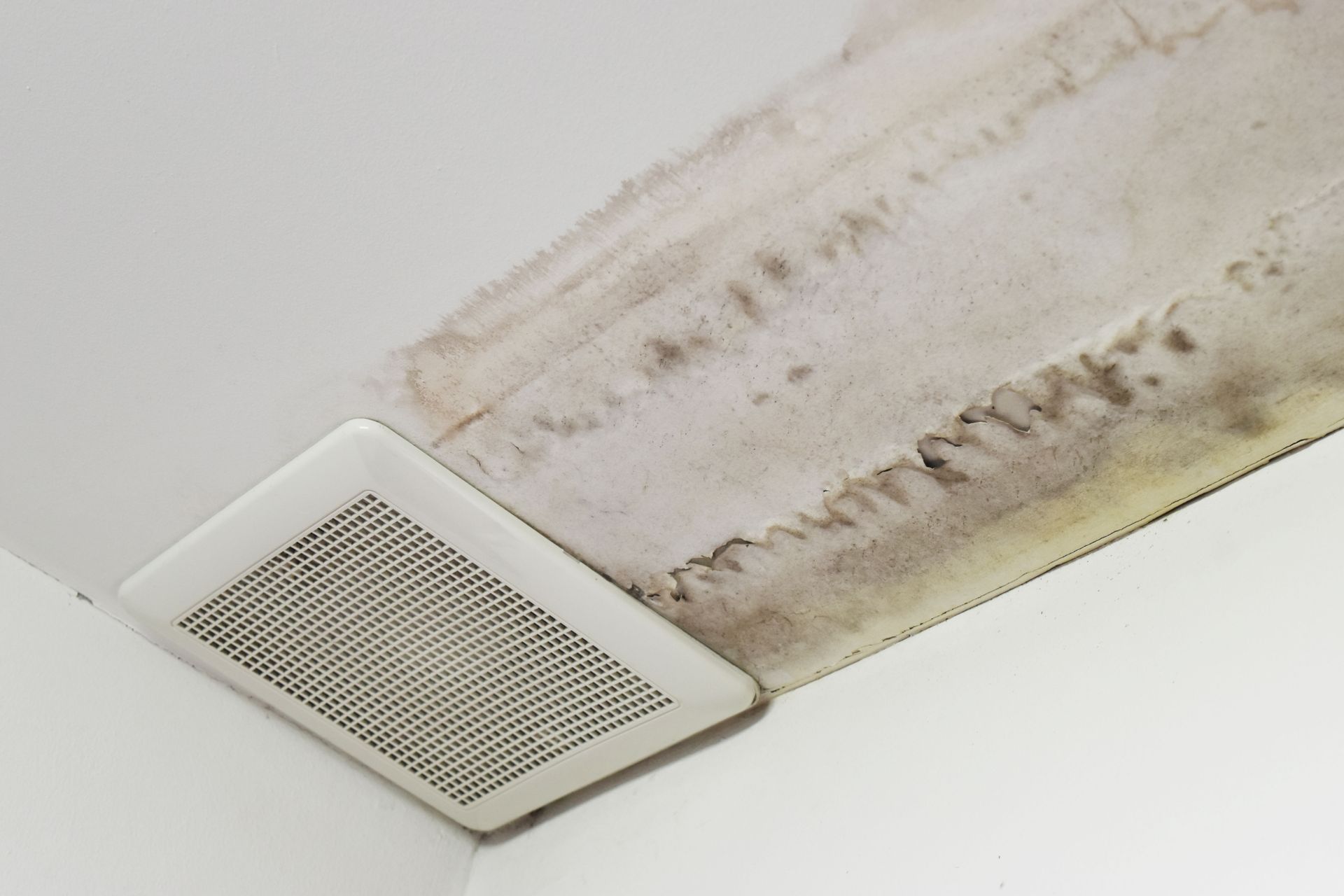
New York contains one of the largest inventories of older buildings in the country. Residential properties, office buildings, schools, hospitals, and commercial structures built before modern asbestos regulations may still contain asbestos in various construction materials. Common examples include pipe insulation, ceiling tiles, floor tiles, roofing products, fireproofing materials, and wall compounds. Many of these materials remain hidden behind walls, above ceilings, or beneath flooring, making their presence difficult to identify without professional evaluation and testing.
The presence of asbestos-containing materials does not automatically create a hazard. Problems often arise when materials become damaged or disturbed during renovations, repairs, or deterioration. When asbestos fibers become airborne, they can be inhaled and create potential health risks. Professional asbestos testing helps identify suspect materials before construction activities begin, allowing property owners to make informed decisions about safety and compliance. This proactive approach can help reduce project delays, support regulatory requirements, and protect workers and occupants from unnecessary exposure risks.
Evaluating Construction and Renovation Risks
New York experiences constant construction and redevelopment activity. Historic buildings are frequently renovated, commercial properties are modernized, and infrastructure projects occur throughout the state. These activities often involve disturbing older building materials that may contain asbestos. Without proper evaluation, renovation work can unintentionally release hazardous fibers into the environment. As a result, workers, occupants, and nearby residents may face unnecessary exposure risks if appropriate precautions are not taken before construction begins.
Construction risks are particularly significant because asbestos-containing materials are often hidden behind walls, above ceilings, beneath flooring, or around mechanical systems. Contractors may not immediately recognize the presence of asbestos without professional analysis. Asbestos testing provides critical information before work begins and helps reduce the likelihood of accidental exposure during construction, remodeling, or demolition projects. Identifying hazardous materials early also supports compliance efforts, improves project planning, and helps create a safer environment for everyone involved.
Analyzing Occupational Exposure
Occupational exposure remains one of the primary reasons mesothelioma rates have historically been higher in New York. Workers in shipyards, manufacturing plants, construction sites, power stations, and industrial facilities frequently handled or worked near asbestos-containing materials. In many cases, employees were exposed repeatedly over extended periods of time.
Secondary exposure also contributed to health concerns. Workers could unknowingly bring asbestos fibers home on clothing, shoes, tools, or equipment, exposing family members to the material. Because mesothelioma can develop decades after exposure, many current cases may be linked to workplace environments that existed years ago. Understanding these occupational risks highlights the ongoing importance of identifying asbestos hazards before materials are disturbed.
Assessing Dense Urban Development
New York's dense population and concentration of older buildings create unique challenges when managing asbestos risks. Large numbers of people often live, work, and travel near active construction sites and renovation projects. In densely populated areas, improper handling of asbestos-containing materials has the potential to affect more individuals than in less developed regions.
Many apartment buildings, commercial properties, schools, and public facilities were constructed during periods when asbestos use was common. As these structures age, maintenance and renovation work become increasingly necessary. Asbestos testing helps ensure that projects are planned responsibly and that appropriate precautions are taken to protect occupants, workers, and nearby residents from potential exposure.
Recognizing Long Disease Latency
One of the reasons mesothelioma remains a concern today is the disease's long latency period. Symptoms may not appear until twenty, thirty, or even forty years after asbestos exposure occurs. This delay makes it difficult to connect current diagnoses directly to past exposure events without careful investigation and medical evaluation.
Because of this extended timeline, current mesothelioma rates often reflect exposure conditions from decades ago rather than present-day practices. While modern regulations have improved safety standards, many older buildings still contain asbestos-containing materials. Identifying those materials through asbestos testing can help reduce future exposure risks and protect future generations from similar health concerns.
Understanding the Role of Professional Testing
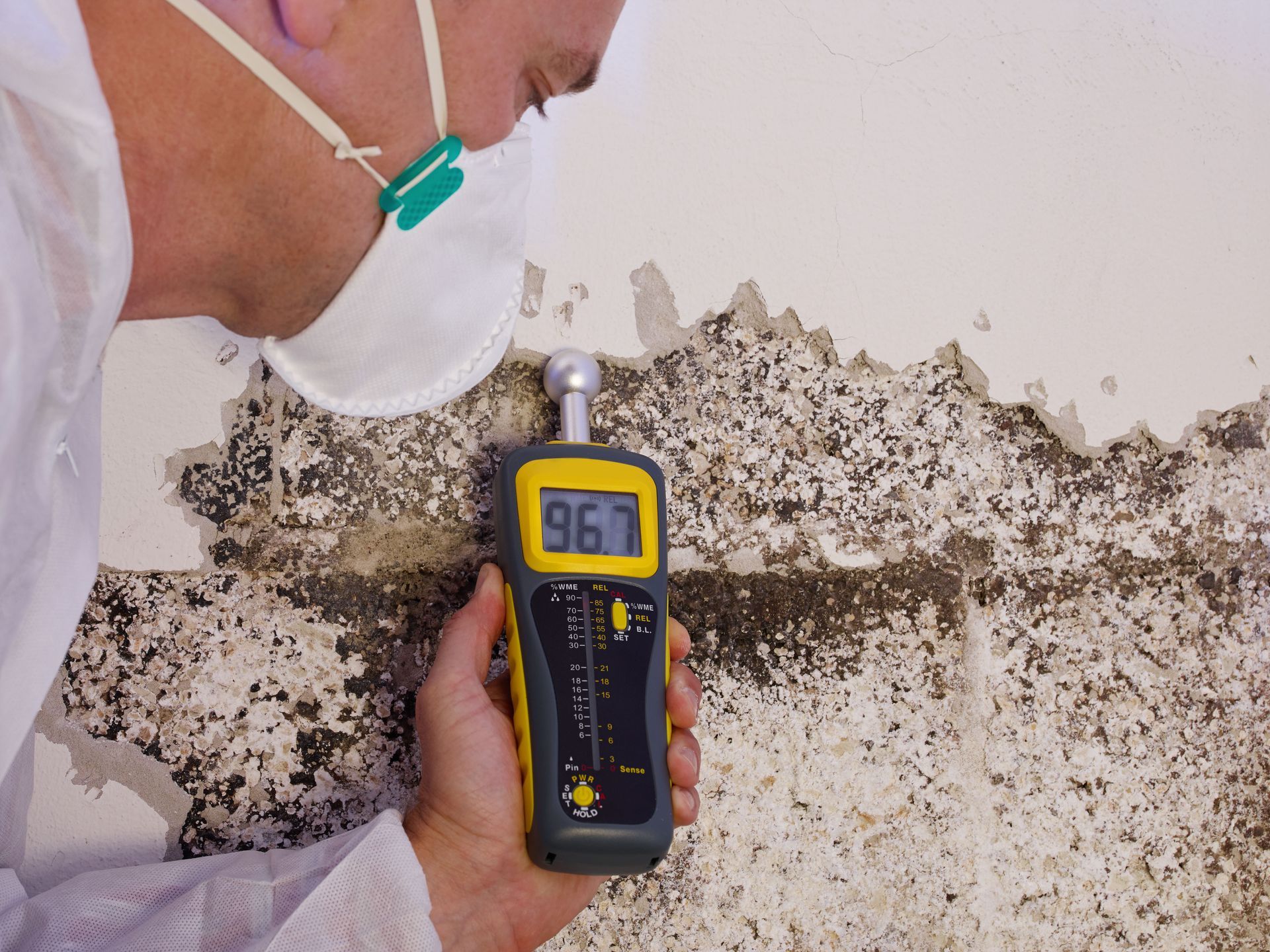
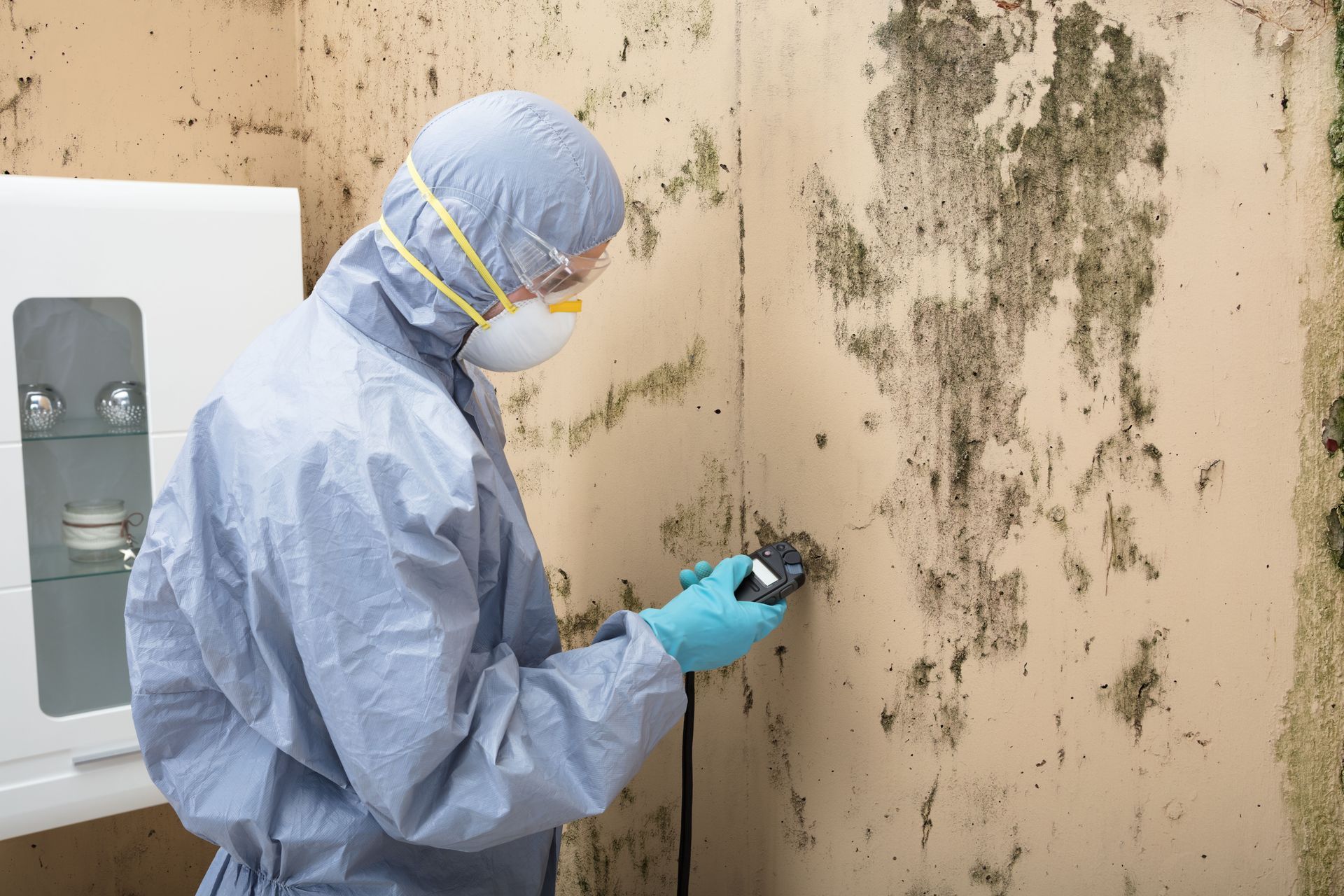
Visual inspections alone cannot determine whether a material contains asbestos. Many asbestos-containing products resemble non-asbestos materials, making laboratory analysis necessary for accurate identification. Professional inspectors collect samples safely and submit them for testing to determine whether asbestos is present.
Asbestos testing provides property owners, contractors, and facility managers with the information needed to make informed decisions about maintenance, renovation, demolition, and remediation. Knowing whether asbestos-containing materials are present helps guide appropriate safety procedures and regulatory compliance. This process reduces uncertainty and helps prevent accidental disturbance of hazardous materials.
Reviewing Property Owner Responsibility
Property owners play an important role in minimizing asbestos exposure risks. Before beginning renovation, demolition, or major repair projects, older buildings should be evaluated for potential asbestos-containing materials. Taking a proactive approach helps protect workers, occupants, visitors, and neighboring properties from unnecessary exposure.
Scheduling asbestos testing before disturbing suspect materials can help prevent project delays, safety issues, and costly remediation challenges. It also provides valuable information for contractors and environmental professionals responsible for managing the project. By understanding the materials present within a building, owners can make decisions that prioritize health, safety, and long-term property management.
New York's elevated mesothelioma rates are closely connected to its industrial heritage, aging building inventory, extensive construction activity, occupational exposure history, and dense urban environment. While asbestos use has declined significantly, older materials continue to present potential risks when disturbed. Professional asbestos testing remains one of the most effective ways to identify hazards before renovation, demolition, or maintenance projects begin. If you need reliable asbestos testing services to help protect your property and its occupants, contact Alpha Mold Inspectors today.