July 7, 2026
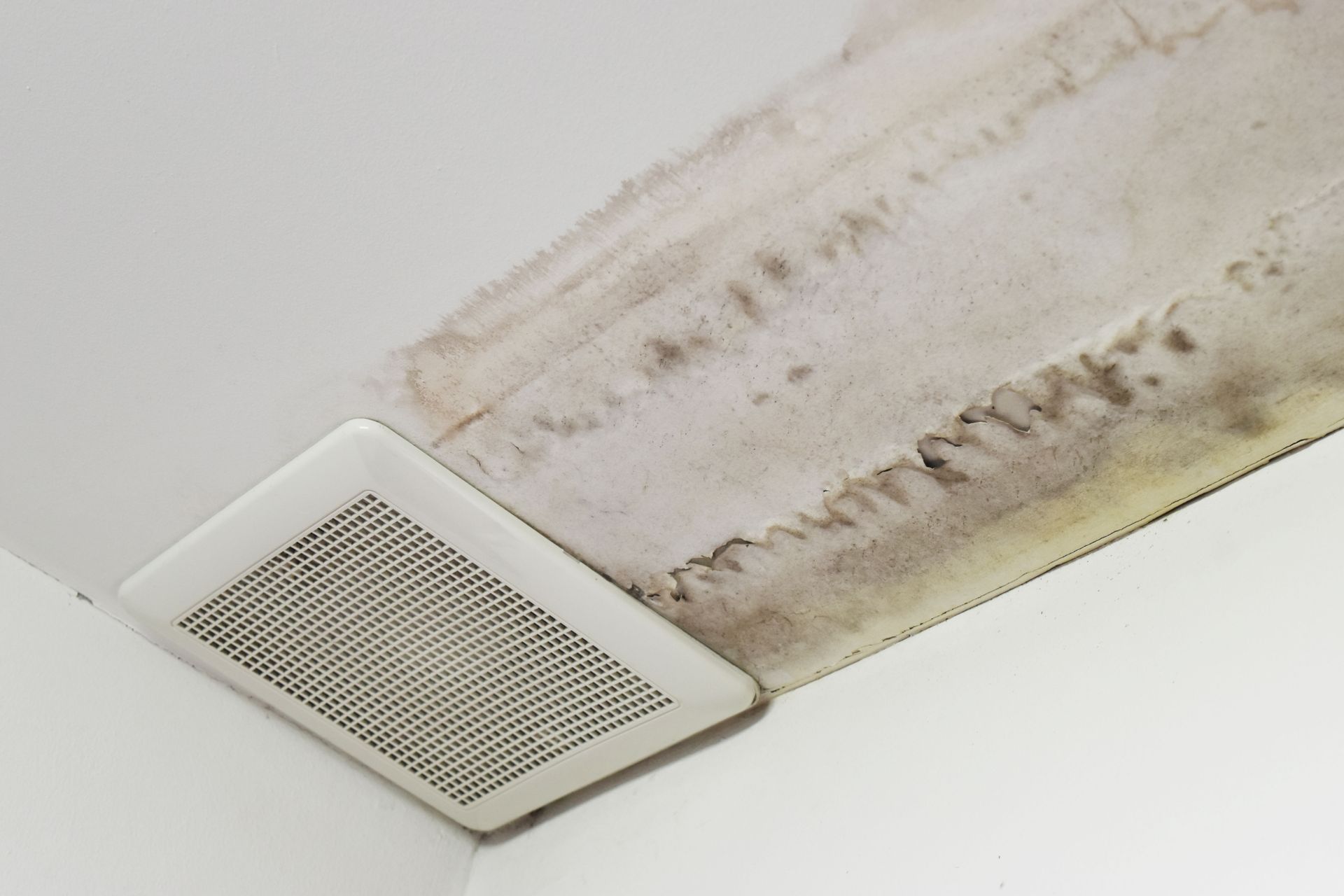
Water damage can lead to pervasive and lasting issues in a home or building, with mold growth being one of the most significant concerns. Mold inspections are a critical step in the recovery process, ensuring safety, health, and structural integrity. In the following, we'll explore the key reasons why mold inspections are essential after experiencing water damage.
1. Identifying Hidden Mold Growth
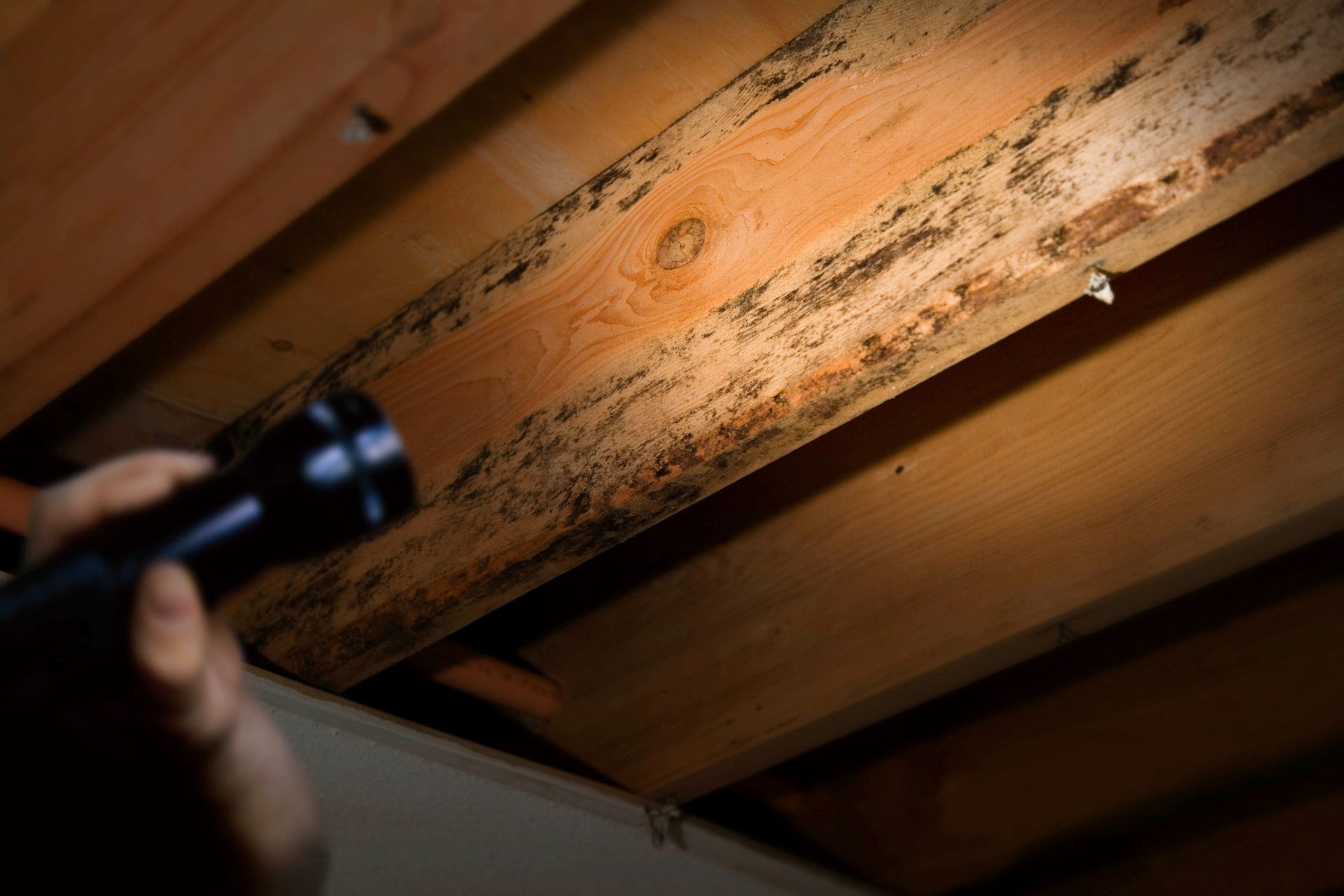
In the aftermath of water damage, mold can proliferate rapidly, often in concealed spaces. Mold spores can thrive in darkness and moisture, making crawlspaces, attics, and behind walls prime targets. Recognizing and remediating these hidden infestations is crucial to preventing further damage and health hazards. According to The Spruce, around 60% of U.S. households cope with damp basements, and nearly 38% are highly susceptible to serious basement mold problems.
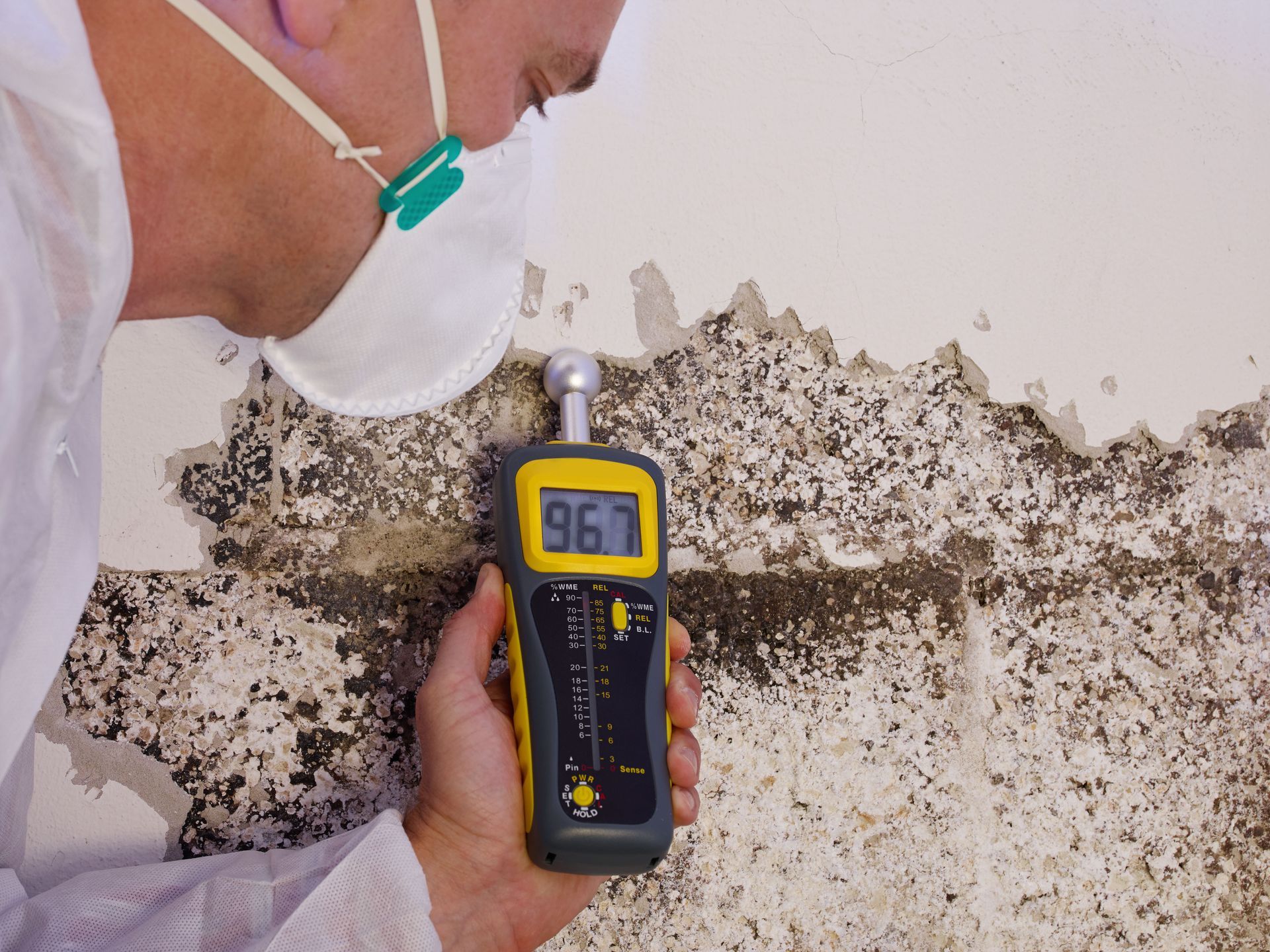
Moisture meters and infrared cameras are essential tools used by professionals to detect moisture that is not visible to the naked eye. This technology allows inspectors to pinpoint mold-prone areas, even behind drywall and under flooring. By utilizing these tools, professionals ensure thorough inspections and mitigate the risk of missed mold colonies.
Professional expertise is invaluable in identifying hidden mold. Experts employ a comprehensive approach, combining visual inspections, specialized tools, and experience to identify mold. Untrained individuals might overlook or underestimate the presence of mold without the proper knowledge and equipment.
2. Protecting Indoor Air Quality
Mold spores released into the air can significantly degrade indoor air quality. These particles are often invisible but can pose respiratory hazards. Long-term exposure to mold spores can aggravate asthma, allergic reactions, and other respiratory conditions.
Conducting air quality assessments as part of a mold inspection can reveal contamination levels. Professionals use air sampling to measure spore concentrations, offering a clear understanding of the air quality. This step is crucial to ensuring that occupants are not inhaling harmful levels of mold spores.
Improving ventilation and employing air purification solutions can help address mold-contaminated air. Once identified, effective remediation includes addressing HVAC systems and considering air purifiers. These measures can significantly improve air quality, safeguarding the health of building occupants.
3. Preventing Structural Damage
Mold can severely affect building materials, leading to structural damage over time. Mold consumes organic materials such as wood, drywall, and fabrics, weakening their integrity. Left unchecked, this can result in compromised structural stability, requiring extensive repairs.
Numerous examples highlight structural compromise due to mold infestation. For instance, wooden beams in buildings can rot if exposed to mold for prolonged periods. Professionals assess and address these issues early to prevent costly structural failures.
Failing to conduct mold inspections can lead to long-term consequences. The accumulated mold damage may result in significant repair bills and compromised safety. Preventive measures through timely inspections can avert such outcomes, offering peace of mind and substantial savings.
4. Avoiding Health Risks
Health problems linked to mold exposure range from mild allergies to severe respiratory issues. Mold produces allergens and irritants, which can provoke reactions in sensitive individuals. Awareness of these risks underscores the need for thorough inspections post-water damage.
Vulnerable populations, including children, the elderly, and those with preexisting health conditions, are particularly at risk. Ensuring these groups are protected is a priority. Mold inspections help to minimize health risks by addressing potential sources of exposure.
Symptoms of mold exposure include persistent coughing, nasal congestion, and skin irritation. Professional removal techniques focus on eradicating mold and improving occupant health. Post-removal analysis often shows marked improvements in health conditions and general well-being.
5. Avoiding Legal and Financial Trouble
The legal landscape concerning mold often involves complex regulations and strict landlord-tenant compliance issues. Property owners must adhere to local health and safety standards to protect themselves from potentially devastating legal challenges and liability claims. Regular, documented mold inspections ensure ongoing compliance, minimize related legal risks, and offer definitive proof of due diligence. Taking this step proactively shields property owners from costly disputes with occupants who might claim negligence.
Insurance considerations are another critical aspect of navigating the aftermath of water damage. Insurers frequently require certified mold inspections to validate property damage claims and approve payouts for necessary restoration work. Investing in a professional assessment can significantly lower future insurance hurdles and protect you from having claims denied down the road. Without an official inspector's report, proving exactly when and how the mold developed becomes an uphill battle against adjusters.
Neglecting mold inspections altogether can lead to severe, long-term financial implications for any property owner. Unchecked mold can drastically tank a property's overall real estate value, ruining its marketability and driving away future investments. Experienced real estate professionals and insurers alike emphasize that a small upfront inspection is the single best way to maintain property value.
6. Understanding the Steps to Conduct a Mold Inspection
The initial assessment and preparation involve setting expectations and identifying key focus areas. Professional inspectors start by discussing potential mold exposure sources with clients. This collaborative approach ensures a tailored inspection strategy.
Tools and technology play a vital role in conducting thorough inspections. Devices such as hygrometers, moisture meters, and thermal cameras are standard. These technologies aid inspectors in identifying moisture-laden areas prone to mold growth.
Upon completion, interpreting inspection results is crucial for action planning. Inspectors provide detailed reports explaining mold presence and severity. The next steps typically involve discussing remediation strategies and preventing future occurrences.
7. Ensuring the Success of Remediation Efforts
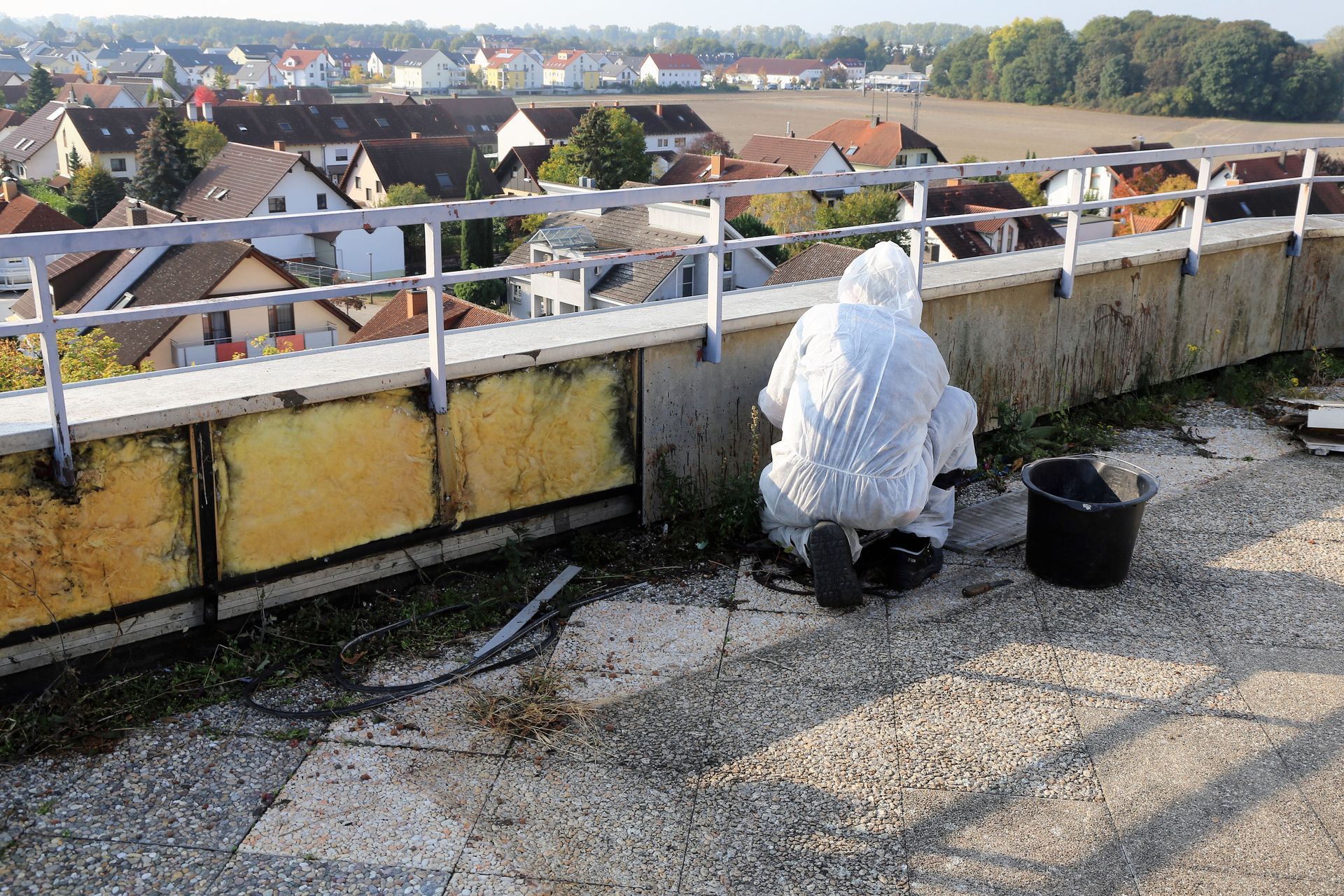
A professional mold inspection is far more than just a diagnostic tool; it serves as the essential blueprint for any successful cleanup effort. Attempting to scrub away visible mold without a professional assessment often results in incomplete remediation. Inspections map out the exact boundaries of the contamination, ensuring that cleanup crews know precisely where to contain the area so they don't inadvertently spread microscopic spores to unaffected parts of the building.
Furthermore, these assessments identify the root moisture source that triggered the outbreak in the first place. Mold cannot survive without water, and simply cleaning the physical growth without fixing the underlying leak or humidity issue guarantees a rapid recurrence. A thorough inspection guarantees that the moisture problem is permanently resolved before any costly restoration work begins.
Finally, post-remediation clearance testing—a secondary inspection conducted after the cleanup is finished—is vital to prove the job was done correctly. This final step verifies that moisture levels in the building materials have returned to normal and that airborne spore counts have dropped to safe, natural levels. Without these dual inspection phases, property owners risk paying for a superficial cleanup that leaves hidden hazards behind.
8. Safeguarding Future Real Estate Transactions
Water damage is often a matter of record if an insurance claim is filed, and it is always a major red flag for potential home buyers. Failing to thoroughly inspect for mold immediately after a leak can create a massive headache when you eventually decide to sell the property. In almost all real estate markets, sellers are legally obligated to disclose past water events and any known mold history to interested buyers.
Having a certified mold inspection report on file provides invaluable documentation that protects your investment. It serves as tangible, third-party proof to prospective buyers, home inspectors, and mortgage lenders that the water damage was handled with the utmost care. This documentation eliminates suspicion and keeps the closing process moving forward smoothly.
Investing in an inspection now prevents your property value from plummeting later due to the "stigma" of unresolved moisture issues. Buyers are easily spooked by the mere mention of past water damage, but presenting a clean bill of health from a certified mold inspector completely reframes the narrative. It transforms a potential deal-breaker into a demonstration of responsible property maintenance.
Mold inspections offer crucial insights that protect property owners and occupants from the adverse effects of mold following water damage. By understanding the need for professional inspections, individuals can ensure health safety, maintain property value, and meet legal obligations. Early detection and remediation are key to preventing extensive damage and costly repairs. To schedule a professional mold inspection and ensure safety in your home, reach out to Alpha Mold Inspectors today.