August 12, 2026
Basements are naturally vulnerable to moisture, and that moisture is the single biggest driver of mold growth in a home. Cooler temperatures, limited airflow, and proximity to the ground make basements an ideal environment for mold spores to settle and multiply. Once mold takes hold, it can spread quickly through wood framing, insulation, and stored belongings, often before homeowners notice a problem. Reducing that risk starts with understanding what causes basement moisture in the first place and taking consistent, proactive steps to control it. Homeowner prevention efforts matter, but they only go so far without professional verification. A mold testing service is the most reliable way to confirm whether those efforts are actually working, and this guide breaks down the most effective strategies for keeping moisture-prone basements dry, safe, and mold-free.
Understanding Why Basements Are Prone to Mold Growth
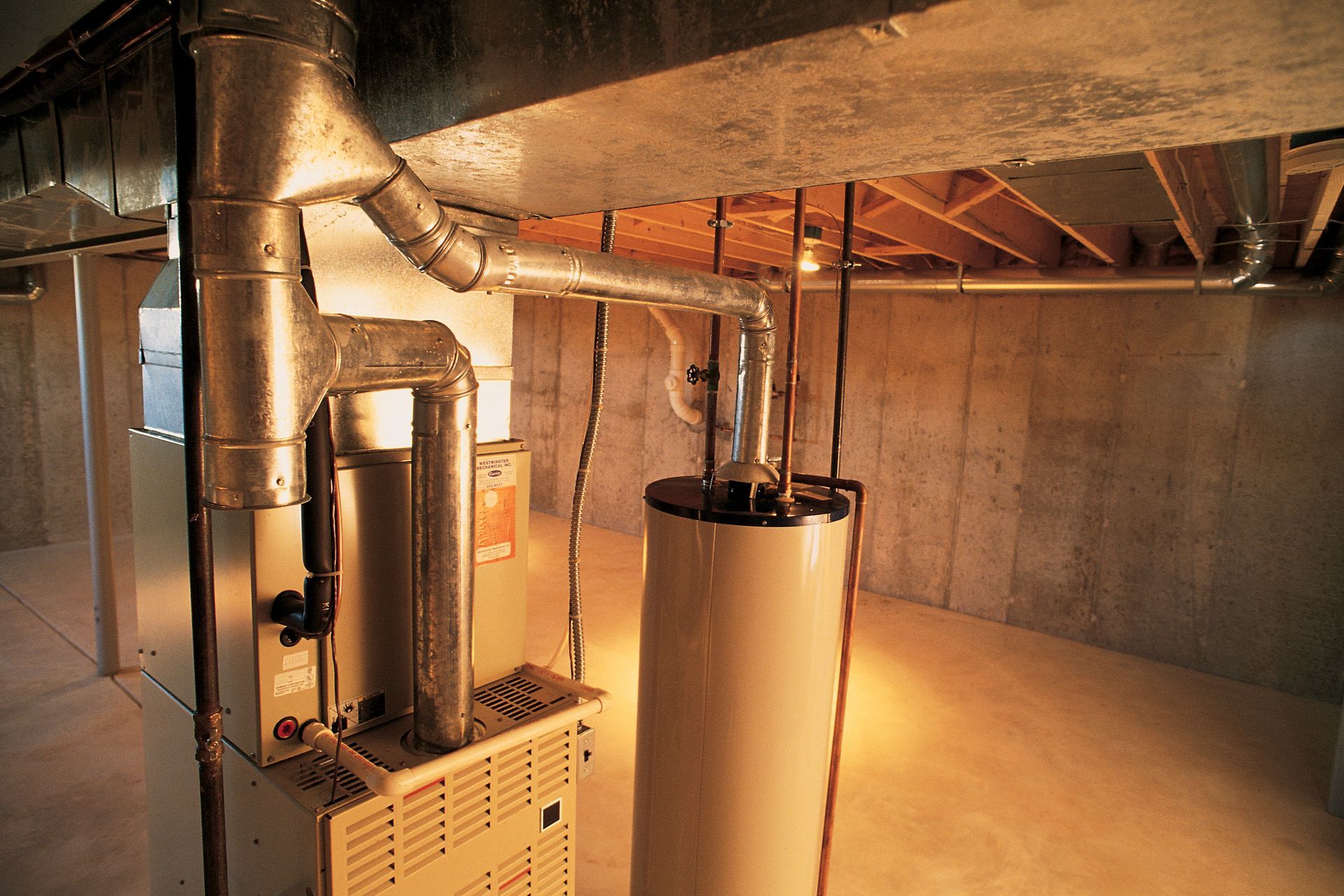
Basements sit below grade, which means they are surrounded by soil that holds moisture long after rain or snowmelt has passed. That moisture presses against foundation walls and can seep through even small cracks or porous concrete. Combine this with poor ventilation and lower temperatures, and basements become a near-perfect breeding ground for mold spores that are already present in the air. Homes with older foundations, aging plumbing, or inadequate exterior drainage face an even greater risk. Recognizing these underlying vulnerabilities is the first step toward addressing them before mold becomes a visible or costly problem.
Identifying the Warning Signs of Basement Moisture Problems
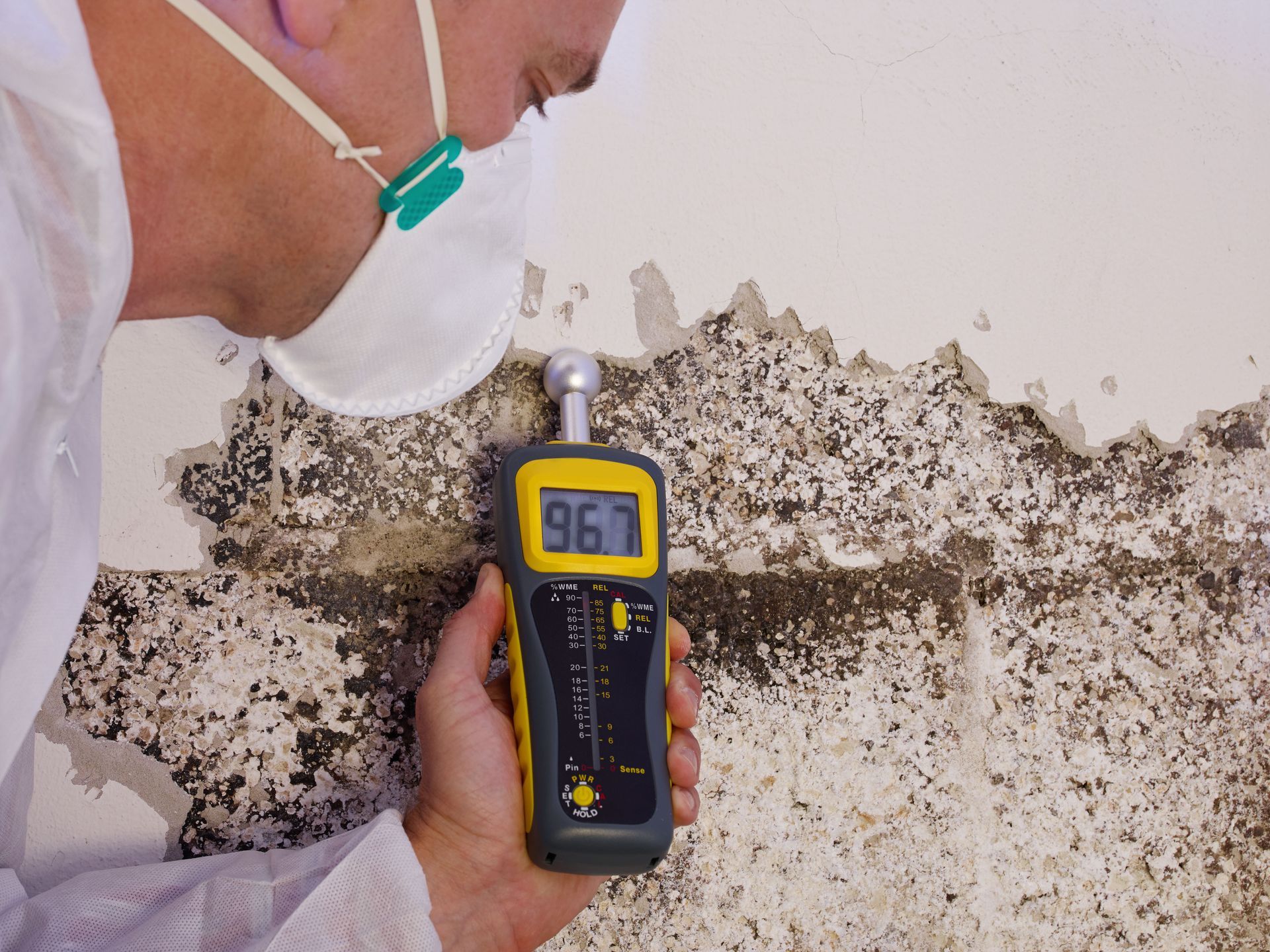
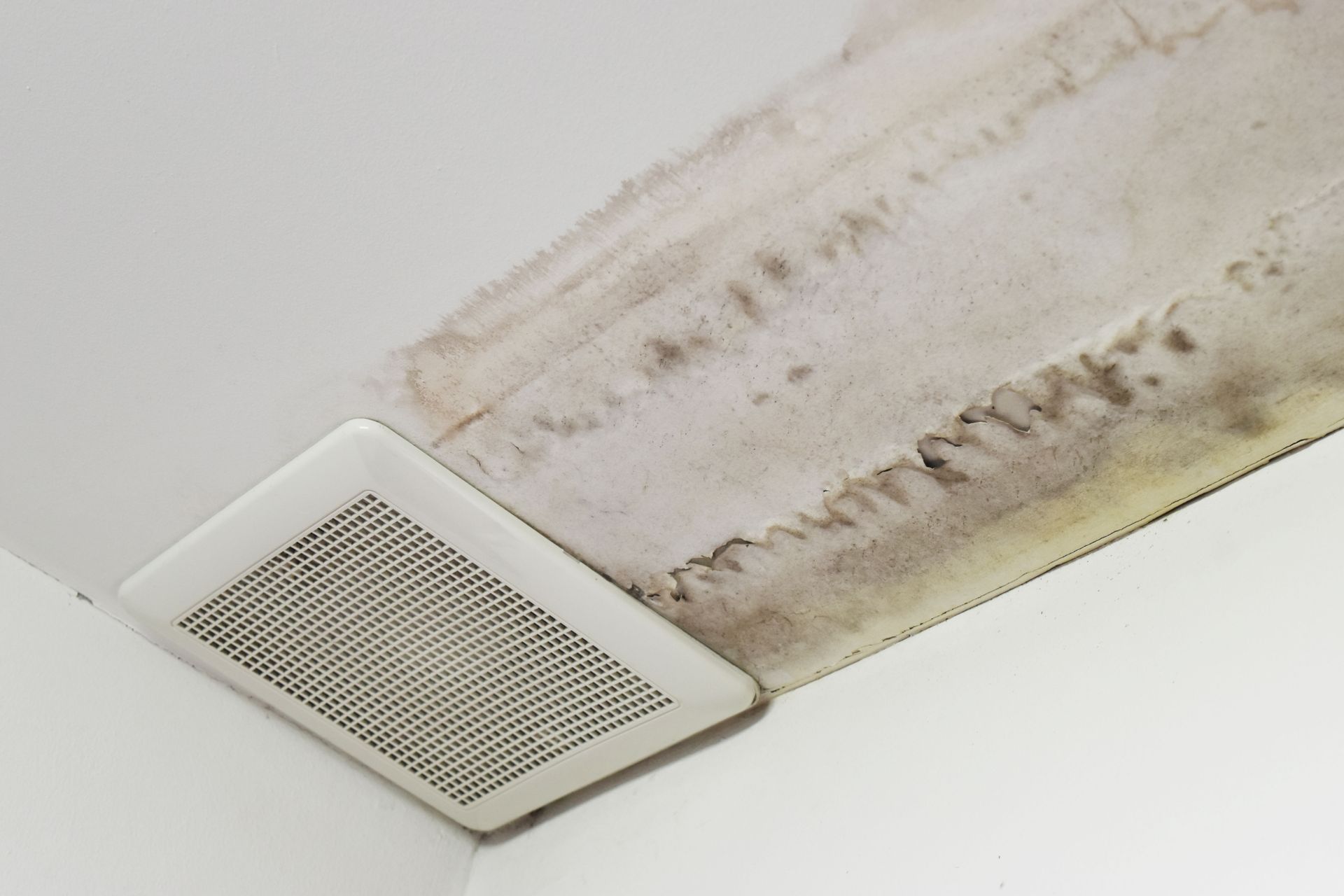
Mold does not always announce itself with visible growth right away. Musty odors, peeling paint, discolored drywall, and efflorescence (the white, chalky residue left behind by evaporating water) are all early indicators that moisture is accumulating somewhere in your basement. Condensation on pipes or windows and a persistent damp feeling in the air are also common red flags. Homeowners who catch these signs early can often resolve the underlying issue before mold spreads significantly. Because many of these signs are subtle, a mold testing service is often the only way to confirm whether mold is actually present and how far it may have spread.
Controlling Indoor Humidity With Dehumidifiers and Ventilation
Even basements without active leaks can develop mold if humidity levels remain consistently high. In our experience, ideal indoor humidity should stay between 30% and 50%, and basements often exceed that range due to limited airflow and their below-ground location. A quality dehumidifier can make a substantial difference, particularly during humid summer months. Improving ventilation, whether through exhaust fans, vents, or simply keeping interior doors open to encourage air circulation, also helps prevent moisture from stagnating. For basements used as living space or storage, pairing a dehumidifier with a hygrometer allows homeowners to monitor conditions, but only a mold testing service can confirm whether airborne spore levels are actually within a safe range.
Scheduling Regular Mold Testing Service Inspections
Prevention efforts are most effective when paired with routine verification. Scheduling a mold testing service on a regular basis, rather than only after a problem becomes visible, gives homeowners a clear picture of air quality and moisture conditions inside the basement. According to The Spruce, roughly 60% of U.S. homes experience wet basements at some point, and 38% face a meaningful risk of basement mold, which underscores just how common this issue is even in well-maintained properties. A mold testing service can detect airborne spores and hidden moisture pockets that aren't yet visible to the naked eye, allowing homeowners to address problems while they are still manageable. Annual testing is a reasonable baseline, though homes with a history of flooding or humidity issues may benefit from more frequent checks.
Choosing Materials That Resist Moisture and Mold
Basement renovations offer a good opportunity to reduce future mold risk through smarter material choices. Traditional drywall and carpeting absorb moisture readily and can become a food source for mold if humidity rises even slightly. Opting for moisture-resistant drywall, tile, or sealed concrete flooring instead limits how much water any single material can hold. Steel framing is also worth considering in basements with a history of dampness, since it won't warp or support mold growth the way wood can. These choices won't eliminate the need for ongoing monitoring, but they do reduce how quickly a minor moisture issue could turn into a larger one.
Recognizing How Seasonal Changes Affect Basement Moisture
Basement moisture levels rarely stay constant throughout the year. Spring snowmelt and heavy rains put extra pressure on foundations and drainage systems, while summer humidity can push indoor moisture levels well above the ideal range. Fall brings falling leaves that clog gutters and downspouts, redirecting water toward the foundation instead of away from it, and winter's freeze-thaw cycles can widen existing cracks in concrete. Understanding these seasonal patterns helps homeowners know when to pay closer attention, whether that means clearing gutters before autumn storms or checking humidity levels during the muggiest summer weeks.
Trusting a Professional Mold Testing Service for Accurate Results
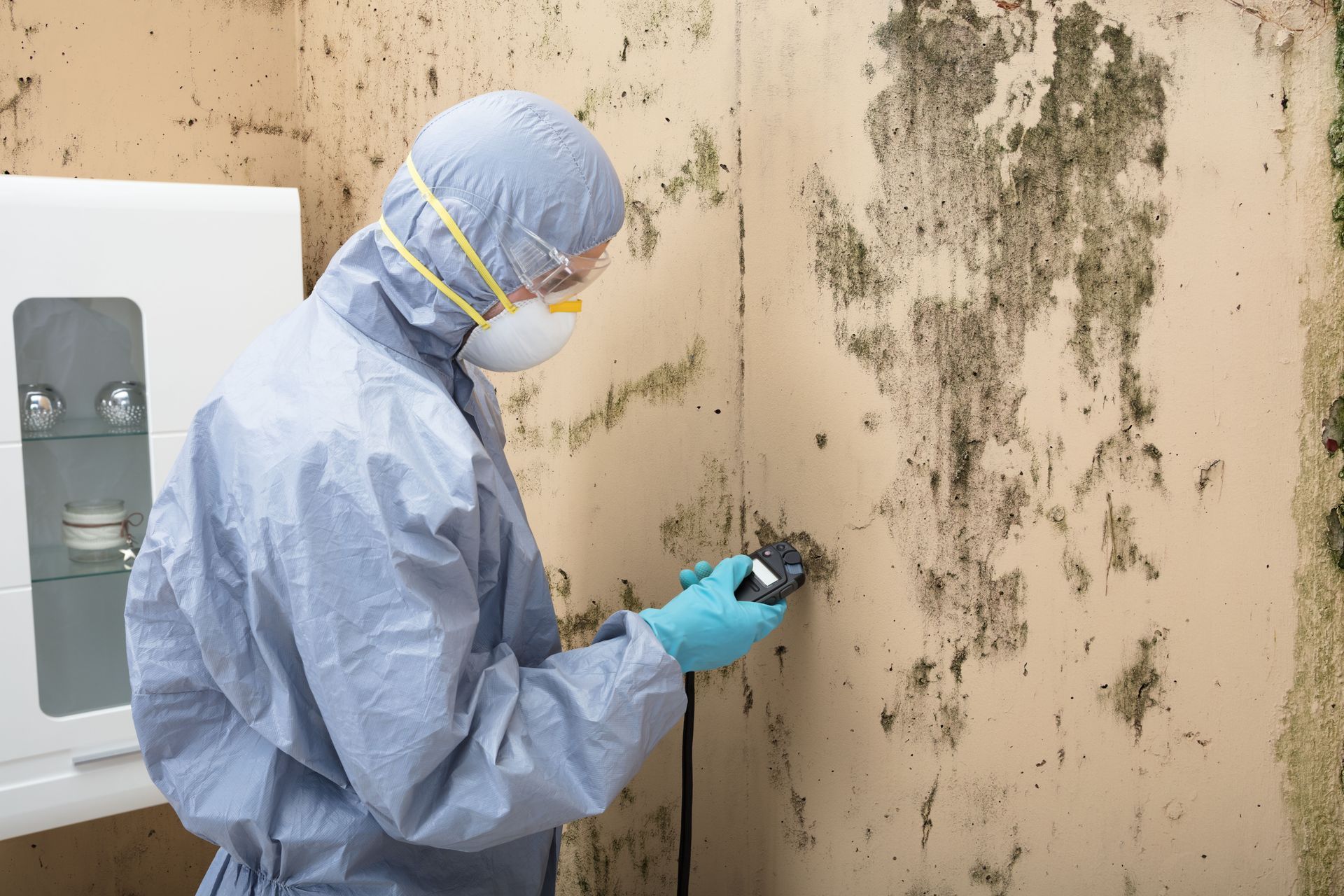
DIY moisture control has real value, but it has limits. Visual inspections alone cannot detect mold growing behind walls, under flooring, or within HVAC systems, and store-bought test kits often produce unreliable or inconclusive results. A certified mold testing service uses advanced equipment and trained expertise to identify the specific type and concentration of mold present, which is essential information for understanding the level of risk to your home and health. This is especially important for basements affected by black mold, a category that poses more serious health concerns and requires careful, professional assessment rather than guesswork. Working with trained professionals ensures that any testing is accurate, thorough, and backed by a detailed report homeowners can actually act on.
Maintaining Long-Term Basement Health Through Consistent Monitoring
Reducing mold risk in a basement isn't a one-time project; it's an ongoing commitment. Seasonal inspections, especially after heavy rain or snowmelt, help homeowners catch new moisture intrusion before it becomes a larger issue. Keeping stored items off the floor and maintaining gutters and downspouts year-round both contribute to a drier, healthier space. This is also especially important for anyone buying or selling a home with a basement, where an undetected moisture issue can affect a transaction. Pairing these habits with a periodic mold testing service creates a reliable system of checks that catches problems early and gives homeowners confidence that their basement remains a safe part of the home rather than a liability.
Basements will always be more vulnerable to moisture than other areas of the home, but that vulnerability doesn't have to translate into a mold problem. A mold testing service provides the objective, science-based confirmation that DIY inspection alone cannot offer, and it's an essential part of any long-term basement maintenance plan. Mold problems rarely stay contained, and the earlier they're identified, the easier and less costly they are to resolve.
If your basement has shown signs of moisture, musty odors, or visible growth, don't wait for the problem to spread. We at Alpha Mold Inspectors provide comprehensive mold testing and inspections, including specialized black mold assessments, for homes across Long Island and the NY Metro Area, backed by over 10 years of experience and same- or next-day scheduling. Contact us today for a free phone consultation and let our certified team help you protect your home. We're proud to serve you!