November 11, 2026
Asbestos remains a concern for property owners, particularly when maintaining, renovating, or updating older buildings. Although its use has declined, existing materials containing asbestos may still be present in properties, creating potential risks when those materials are disturbed. Property owners who focus only on visible damage or obvious signs of deterioration may overlook hazards that require closer attention.
Understanding where asbestos may be present and recognizing when professional assessments are necessary can help property owners make more informed decisions about building maintenance. According to Asbestos.com, approximately 90,000 people worldwide lose their lives to asbestos-related diseases each year, highlighting the serious consequences associated with exposure. In this article, we'll discuss overlooked asbestos risks, common misconceptions about building materials, and why professional testing matters for property maintenance.
Overlooking Asbestos in Existing Building Materials
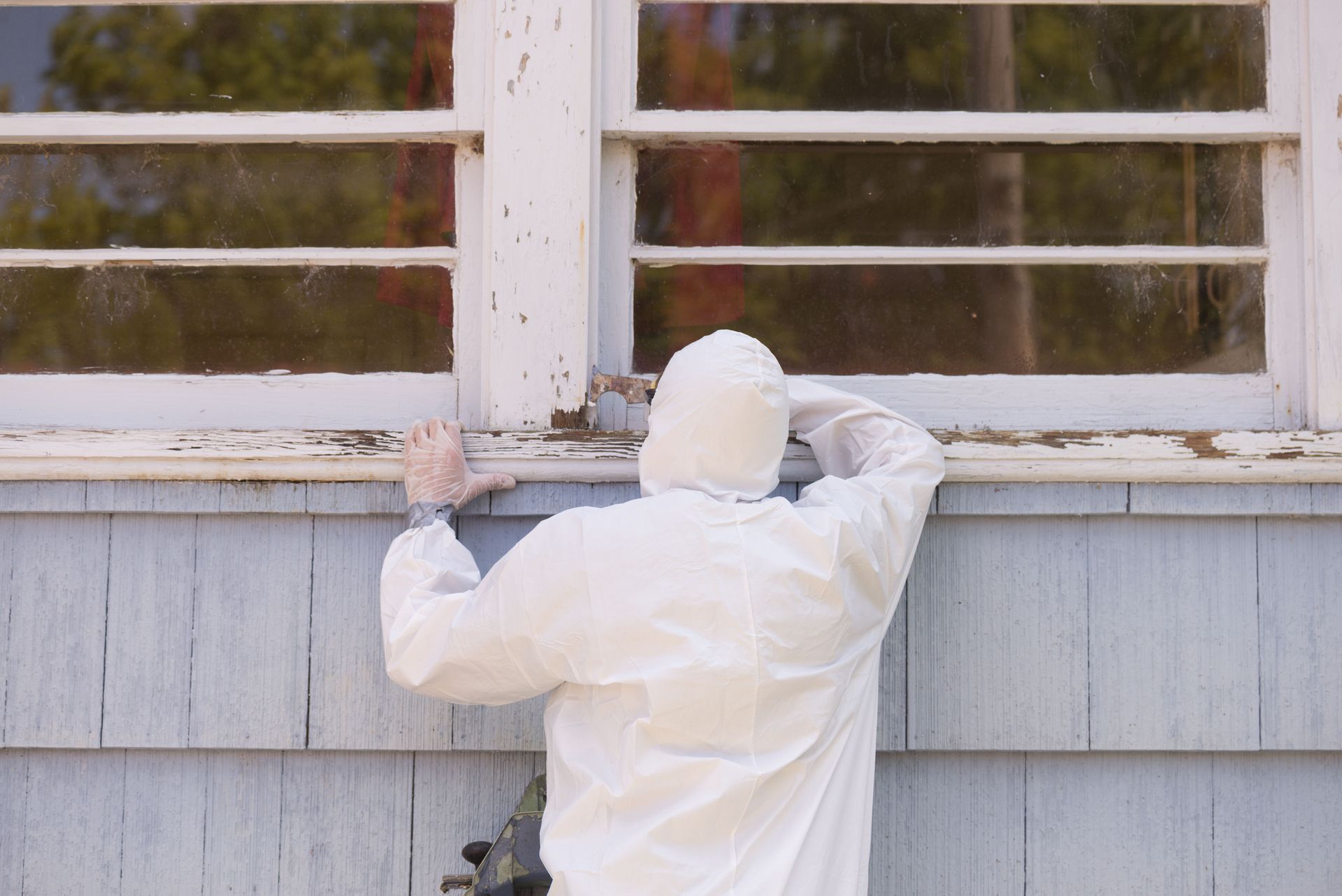
One common oversight among property owners is assuming that asbestos is no longer a concern because its use has declined. However, materials containing asbestos may remain in existing structures, particularly in buildings where older construction materials have not been removed or replaced. These materials can go unnoticed when property owners focus primarily on visible features and routine maintenance.
Asbestos may be present in various building components, including insulation, flooring, ceiling materials, and other construction products. Because these materials can resemble products that do not contain asbestos, appearance alone cannot reliably determine whether a potential hazard exists. Property owners should avoid making assumptions about building materials based solely on their appearance or age.
Recognizing the possibility of asbestos in existing structures is an important part of responsible property management. An asbestos testing service can help determine whether suspected materials contain asbestos, giving property owners more information before making decisions about repairs or renovations. This knowledge can help prevent accidental disturbance during routine building projects.
Assuming Undamaged Materials Are Always Safe
Another misconception is that asbestos-containing materials are automatically dangerous simply because they are present in a building. The condition of these materials plays an important role in evaluating potential exposure concerns. Materials that remain intact and undisturbed may present a different level of concern than those that have deteriorated or sustained damage.
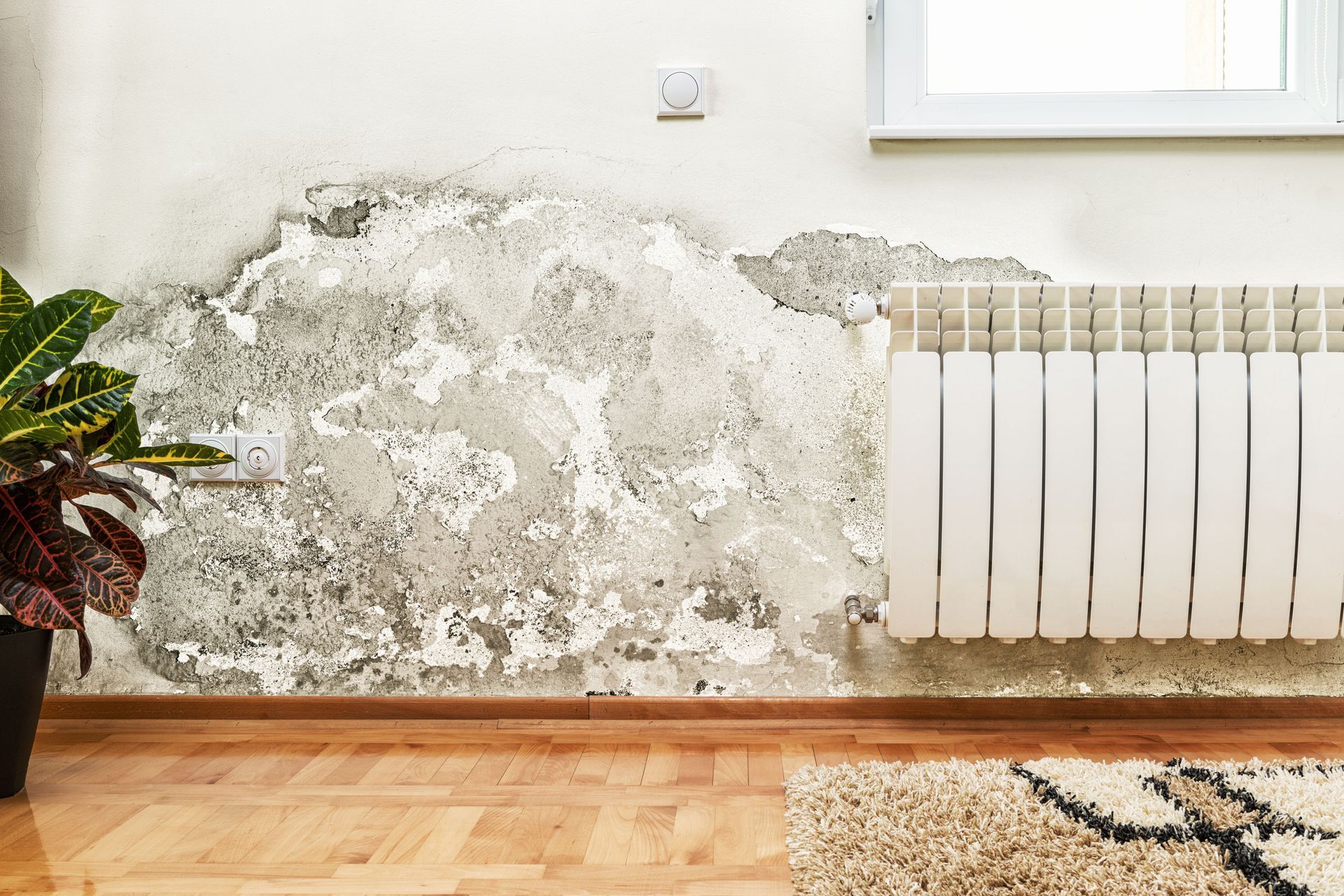
However, property owners should not interpret a lack of visible damage as proof that every material is safe. Some potential issues may not be immediately apparent, particularly when materials are located behind walls, above ceilings, or within other building components. A professional assessment can provide a clearer understanding of the property's condition.
It is also important to recognize that damage can occur during ordinary property maintenance. Drilling, cutting, removing fixtures, or disturbing building components may affect materials that were previously left undisturbed. Before beginning work that could affect suspected asbestos-containing materials, property owners should consider an asbestos testing service to help identify potential concerns.
Forgetting About Hidden Areas of the Property
Property owners often concentrate on the most visible areas of their buildings when evaluating maintenance needs. While inspecting floors, walls, ceilings, and other accessible spaces is useful, it may not reveal materials concealed within the structure. Overlooking these less accessible areas can leave potential asbestos concerns unidentified.
Hidden materials may include insulation, older flooring layers, ceiling components, and materials located behind existing finishes. These areas can become relevant when property owners plan renovations that involve opening walls, replacing floors, or accessing previously enclosed spaces. Without understanding what is present, contractors and property owners may unintentionally disturb materials that require special attention.
A more thorough approach to property maintenance considers both visible and concealed building components. An asbestos testing service can help investigate suspected materials before renovation work begins. Identifying potential asbestos-containing materials early allows property owners to make better-informed decisions about how to approach planned improvements.
Underestimating the Risks of Renovation Projects
Renovation projects can create asbestos concerns that property owners may not anticipate. Even relatively straightforward improvements can involve removing, cutting, sanding, or otherwise disturbing existing building materials. When those materials contain asbestos, the work may create opportunities for fibers to become airborne.
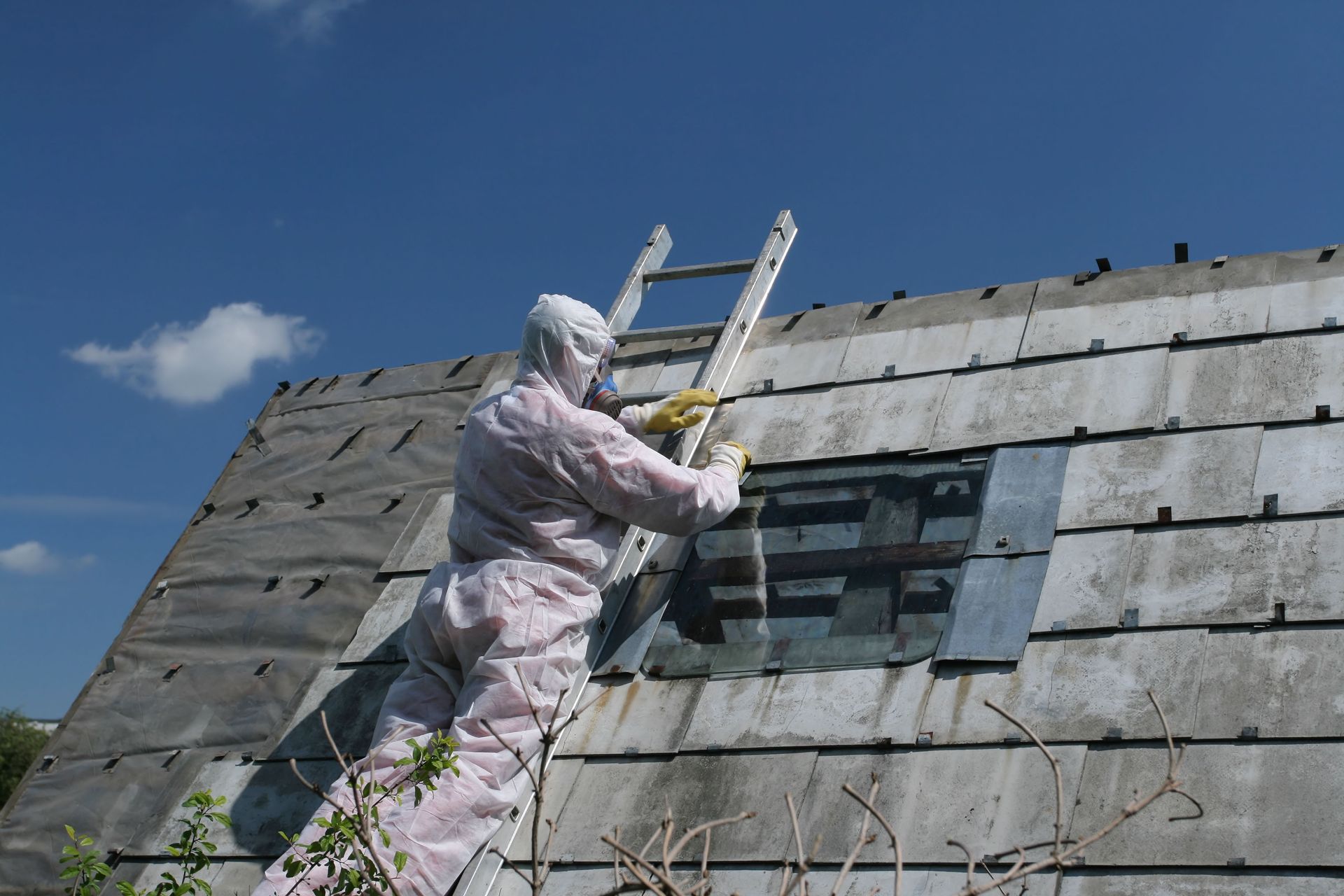
Property owners should be especially careful when planning projects that affect older construction materials. Removing flooring, replacing insulation, updating ceilings, and modifying walls may involve materials that have not previously been examined. Assuming that a project is too small to create a concern can lead to unnecessary exposure risks.
Planning ahead is an important part of responsible renovation management. Before work begins, property owners should identify materials that may contain asbestos and arrange appropriate professional evaluations when necessary. Using an asbestos testing service before disturbing questionable materials can help clarify whether additional precautions or specialized handling are needed.
Relying on Visual Inspections Alone
Visual inspections are useful for identifying obvious property maintenance concerns, but they have limitations when it comes to asbestos. A material's color, texture, and general appearance cannot confirm whether asbestos is present. Even experienced property owners may struggle to distinguish asbestos-containing products from similar materials that do not contain asbestos.
This can create a false sense of security when property owners believe that a building is free of asbestos because nothing unusual is visible. Potentially hazardous materials may look ordinary and remain unnoticed until renovation or repair work brings them to attention. Relying exclusively on visual observations can therefore leave important questions unanswered.
Professional testing offers a more reliable way to evaluate suspected materials. An asbestos testing service can help determine whether a material contains asbestos rather than leaving property owners to make assumptions. Having accurate information can support more appropriate decisions about maintenance, renovations, and property improvements.
Neglecting Asbestos During Property Maintenance
Asbestos concerns are not limited to major renovation projects or complete building remodels. Routine maintenance can also involve activities that disturb existing materials, especially when repairs require accessing concealed areas or removing older components. Property owners who do not consider asbestos during maintenance planning may overlook potential hazards.
For example, replacing damaged flooring, repairing ceilings, or updating insulation may involve materials that have not been tested. Even when the purpose of the work is simply to address a minor maintenance issue, the materials involved should be considered before they are disturbed. Taking time to evaluate questionable components can help prevent avoidable complications.
A consistent maintenance approach should include awareness of potential asbestos-containing materials throughout the property. Property owners can document areas where suspected materials are located and communicate those concerns before scheduling repairs. When uncertainty remains, professional testing can help determine the appropriate next steps.
Misunderstanding the Importance of Professional Testing
Some property owners postpone asbestos testing because they believe it is only necessary when materials are visibly damaged. Others may assume that testing is unnecessary if they do not currently have plans for extensive renovations. These assumptions can prevent property owners from obtaining information that may be important for managing their buildings.
Professional testing is valuable because it replaces guesswork with a more informed understanding of potentially hazardous materials. Rather than attempting to identify asbestos independently, property owners can have suspected materials evaluated through appropriate procedures. This can help establish whether asbestos is present and whether additional action should be considered.
Choosing an experienced provider is also important when arranging an asbestos testing service. Property owners should look for professionals who understand asbestos assessment procedures and can explain the testing process and findings. Clear communication helps property owners understand what was evaluated and how the results may affect future property decisions.
Contact Alpha Mold Inspectors today to schedule an evaluation, gain a clearer understanding of potential property hazards, and take informed steps toward managing asbestos risks.