October 9, 2026
Indoor environments can harbor invisible issues that compromise structural integrity and overall wellness. Property owners often encounter situations where subtle moisture changes or unexpected health reactions suggest a deeper concern within their living spaces. Identifying these hidden environmental shifts early helps prevent costly damage and ensures that building conditions remain safe and comfortable. Professional evaluations play a critical role in diagnosing these underlying issues accurately. Through detailed indoor air quality assessments and precise environmental analysis, specialists help maintain clean, secure, and healthy indoor atmospheres for everyone who resides or works inside.
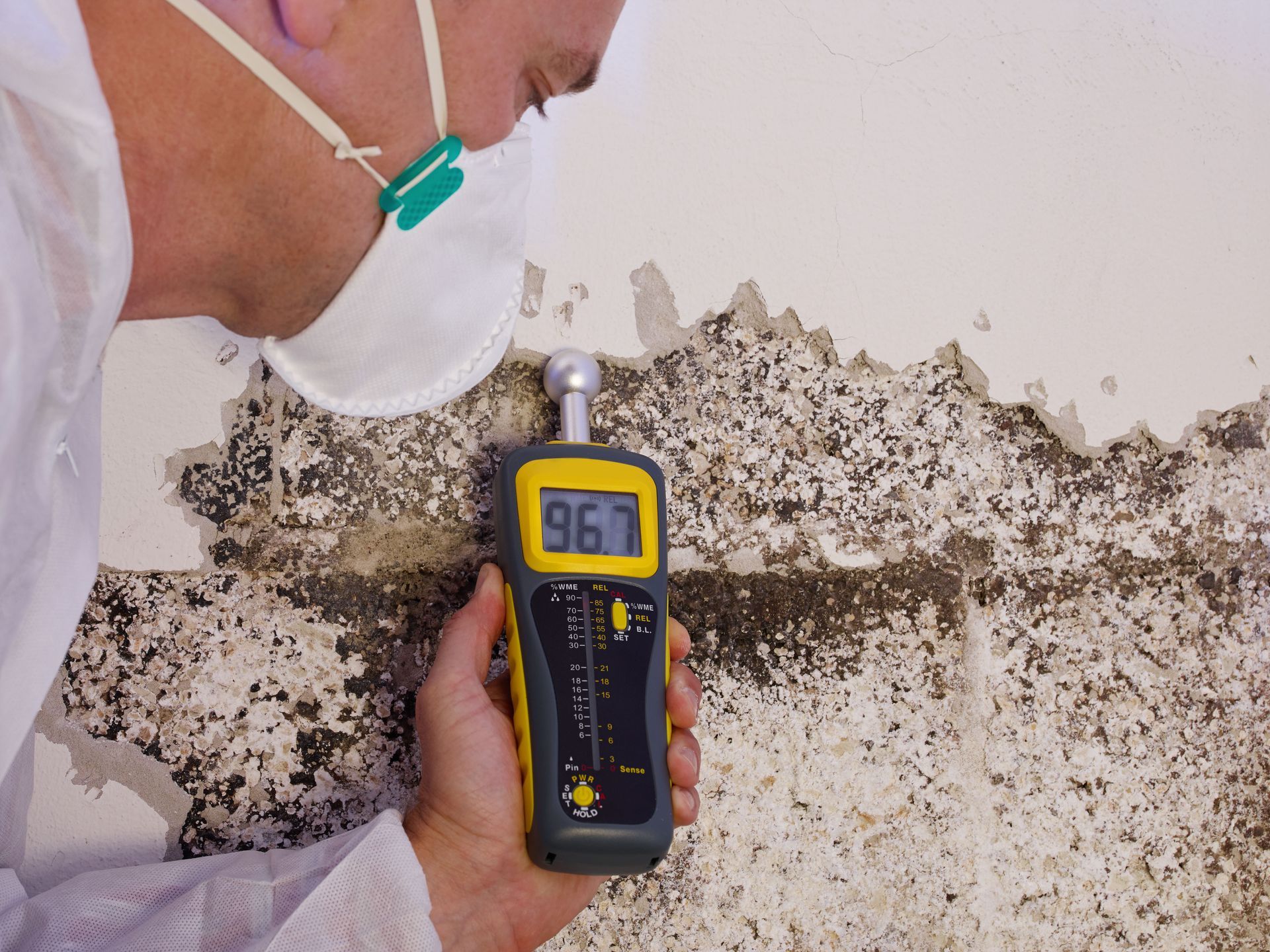
When unexpected events occur or unexplained physical symptoms arise, obtaining clear information becomes necessary. Mold testing provides essential insights into current conditions, confirming whether hidden fungal growth is impacting the indoor atmosphere. Armed with accurate data, property owners can make well-informed choices regarding property maintenance and necessary repairs. Timely action eliminates guesswork, protecting the building structure and restoring absolute confidence in the safety of the indoor environment.
Understanding Mold Hazards Following Serious Water Intrusion Events
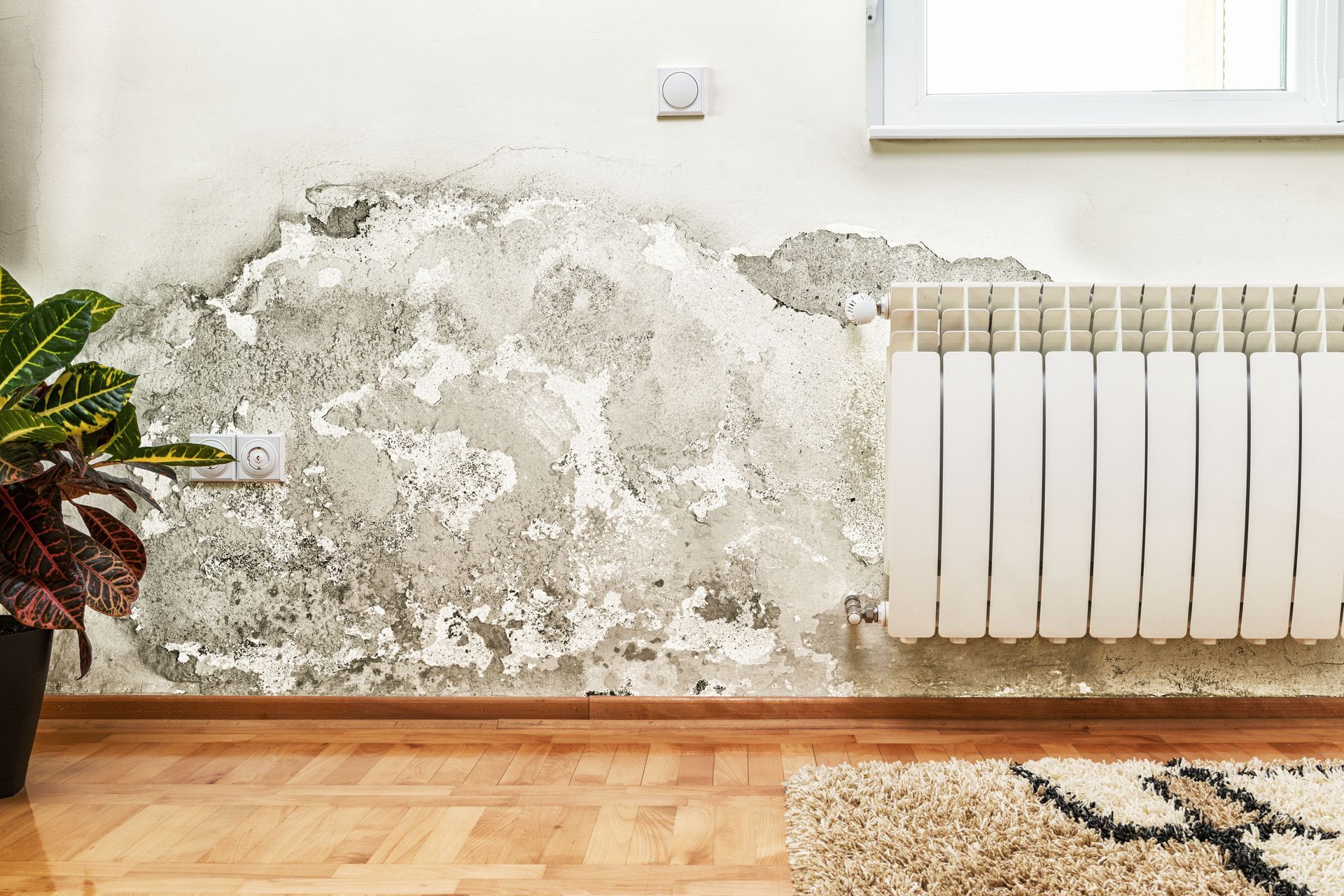
Water intrusion from heavy storms, bursting pipes, or severe plumbing failures creates an immediate risk for indoor fungal development. Moisture penetrates porous building materials like drywall, flooring, and structural timber, providing an ideal breeding ground for fungal spores. Within 24 to 48 hours following liquid exposure, microscopic fungal colonies can establish themselves and begin expanding rapidly across damp surfaces. Unchecked moisture leads to structural decay, compromised insulation, and deteriorating air quality throughout the affected structure.
According to RubyHome, mold becomes a concern when indoor air contains more than 10,000 spores per cubic meter. Comprehensive evaluations after significant water events help verify whether spore concentrations have reached unsafe levels across living areas. Identifying moisture pockets behind walls and beneath flooring allows for targeted drying strategies before widespread contamination occurs. Professional assessments provide accurate data, ensuring that water restoration efforts are completely successful and that moisture-related risks are thoroughly eliminated.
Recognizing Persistent Health Symptoms Linked to Indoor Contaminants
Unexplained health issues that persist indoors often signal hidden environmental contamination within a home or commercial building. Individuals exposed to elevated indoor spore levels frequently experience upper respiratory discomfort, chronic coughing, skin irritation, and persistent sinus issues. These symptoms often mimic seasonal allergies or minor colds, leading to confusion and delayed treatment. When multiple occupants experience similar physical discomfort exclusively while indoors, evaluating the surrounding air quality becomes an essential diagnostic step.
Comprehensive environmental screening measures floating spore concentrations and identifies specific fungal species present within the structure. Obtaining an accurate assessment prevents misdiagnosis, enabling occupants to address the root environmental cause of their health symptoms effectively. Professional testing verifies air cleanliness, giving property owners clarity on whether immediate remediation or improved ventilation is required. Restoring pristine indoor air quality relieves physical discomfort and supports long-term occupant health and daily comfort.
Evaluating Property Condition Prior to Real Estate Transactions
Real estate transactions require thorough property evaluations to protect buyer investments and prevent post-sale legal complications. Hidden fungal growth inside attics, crawl spaces, or behind finished walls can severely diminish property values and stall pending negotiations. Uncovered moisture problems during home inspections often trigger renegotiated terms, requested repairs, or complete deal cancellations. Buyers seek assurance that prospective homes are structurally sound, free from hidden environmental defects, and safe for immediate occupancy.
Sellers who conduct preliminary assessments can resolve hidden issues prior to placing their homes on the market, maintaining maximum buyer interest and valuation. Detailed screening reports offer clear documentation of structural health, fostering complete transparency between transaction parties. By identifying and fixing minor moisture issues early, property owners protect their financial equity and streamline closing procedures. Transparent environmental reporting establishes complete trust and ensures smooth, hassle-free real estate transactions.
Managing Recurring Growth and Pre-Existing Moisture Issues
Persistent fungal growth that continually reappears after surface cleaning indicates deep-seated moisture issues within a building structure. Simple surface wipe-downs only remove visible top layers while leaving extensive root systems intact within porous drywall or wood framing. Furthermore, unaddressed humidity fluctuations, slow plumbing drips, or poor ventilation continuously feed returning fungal colonies. Ongoing growth weakens structural materials over time, leading to costly property repairs if left unattended.
Rigorous environmental evaluations identify hidden moisture sources and pinpoint the full extent of returning contamination across all building zones. Professional assessment guides effective structural remediation, ensuring that underlying moisture causes are permanently eliminated rather than temporarily covered up. Monitoring indoor spore levels prevents long-term decay, preserving property integrity and maintaining high indoor air standards. Structured management strategies keep indoor spaces clean, stable, and completely protected against recurring environmental issues.
Uncovering Concealed Fungal Growth During Home Renovations
Home renovation projects frequently reveal hidden environmental problems when old walls, subfloors, ceiling tiles, and built-in cabinetry are removed. Demolition work disturbs long-dormant fungal colonies, releasing high concentrations of spores into the active workspace and surrounding living areas. Without prior screening, construction dust carrying microscopic contaminants can spread across uninvolved rooms via central heating and cooling ductwork. Identifying these hidden issues early keeps renovation schedules on track and protects worker safety.
Conducting environmental evaluations before and during major remodeling guarantees that existing contamination is contained and properly managed before construction continues. Screening post-renovation ensures that newly installed building materials remain completely dry and free from newly introduced fungal spores. Utilizing moisture-resistant drywall, specialized sealants, and modern ventilation systems during upgrades prevents future growth. Comprehensive testing safeguards construction investments and ensures that remodeled spaces are safe and beautiful.
Controlling Environmental Risks in High Humidity Spaces
Regions experiencing elevated natural humidity present constant challenges for indoor climate control and overall air quality management. Indoor relative humidity levels exceeding 60% create favorable conditions for spore germination on furniture, carpeting, and structural framing. Bathrooms, basements, kitchens, and laundry facilities are especially vulnerable due to continuous daily steam and water usage. Without consistent humidity management, stagnant air allows fungal spores to multiply rapidly throughout enclosed interior spaces.
Specialized air testing determines whether elevated indoor humidity has led to widespread airborne spore propagation across living environments. Professional assessments guide the selection and strategic placement of high-capacity dehumidifiers, improved exhaust fans, and modern climate controls. Lowering indoor moisture levels protects building infrastructure, improves thermal comfort, and halts fungal growth cycles. Maintaining optimal indoor air balance preserves structural integrity and creates a clean, enjoyable living space year-round.
Protecting Indoor Air Quality Across Modern Mechanical Systems
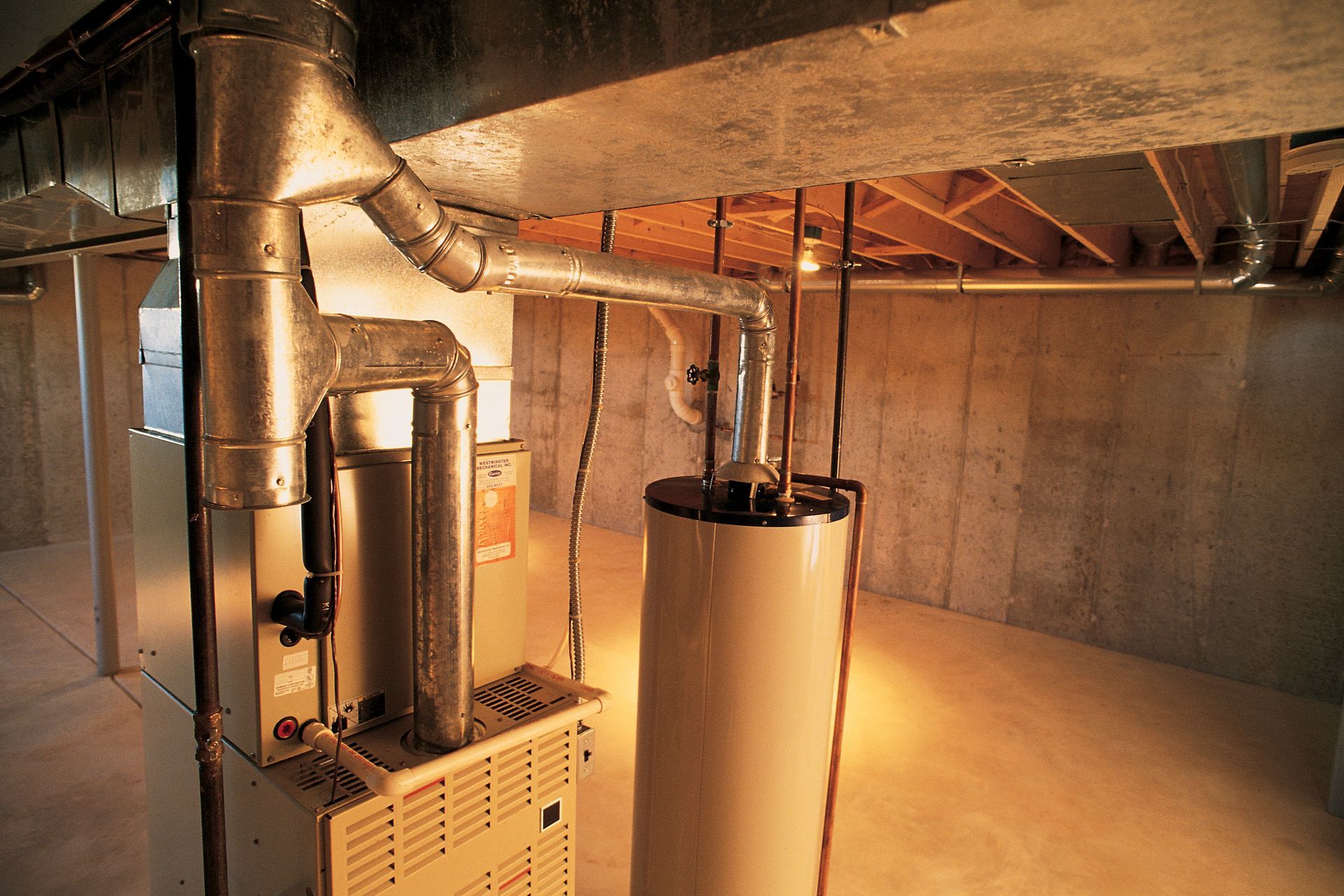
Heating, ventilation, and air conditioning systems circulate conditioned air continuously throughout residential and commercial properties. When condensation builds up within HVAC ductwork, cooling coils, or drain pans, fungal spores can accumulate and spread through air registers. Contaminated mechanical systems distribute airborne particles across every room, impacting overall indoor air quality and triggering respiratory discomfort. Regular mechanical inspections ensure that climate systems remain clean, efficient, and free from hidden biological accumulation.
Comprehensive air duct sampling evaluates system cleanliness, confirming whether mechanical components require thorough cleaning or specialized cleaning. Proper maintenance improves airflow efficiency, lowers energy consumption, and prevents airborne contaminants from circulating through living zones. Ensuring pristine HVAC performance protects overall indoor wellness and extends the operational lifespan of expensive mechanical equipment. Property owners enjoy peace of mind knowing their climate control systems deliver fresh, clean air consistently.
Maintaining a safe, healthy, and structurally sound property requires proactive attention to environmental conditions and indoor air quality. Prompt action during water intrusion events, persistent health symptoms, or real estate transactions prevents minor moisture issues from developing into costly structural damage. Accurate environmental evaluations provide clear answers, ensuring that remediation strategies are efficient, targeted, and completely effective. Investing in regular air quality monitoring protects real estate assets and preserves daily living comfort. For comprehensive assessments and dependable solutions, contact Alpha Mold Inspectors.